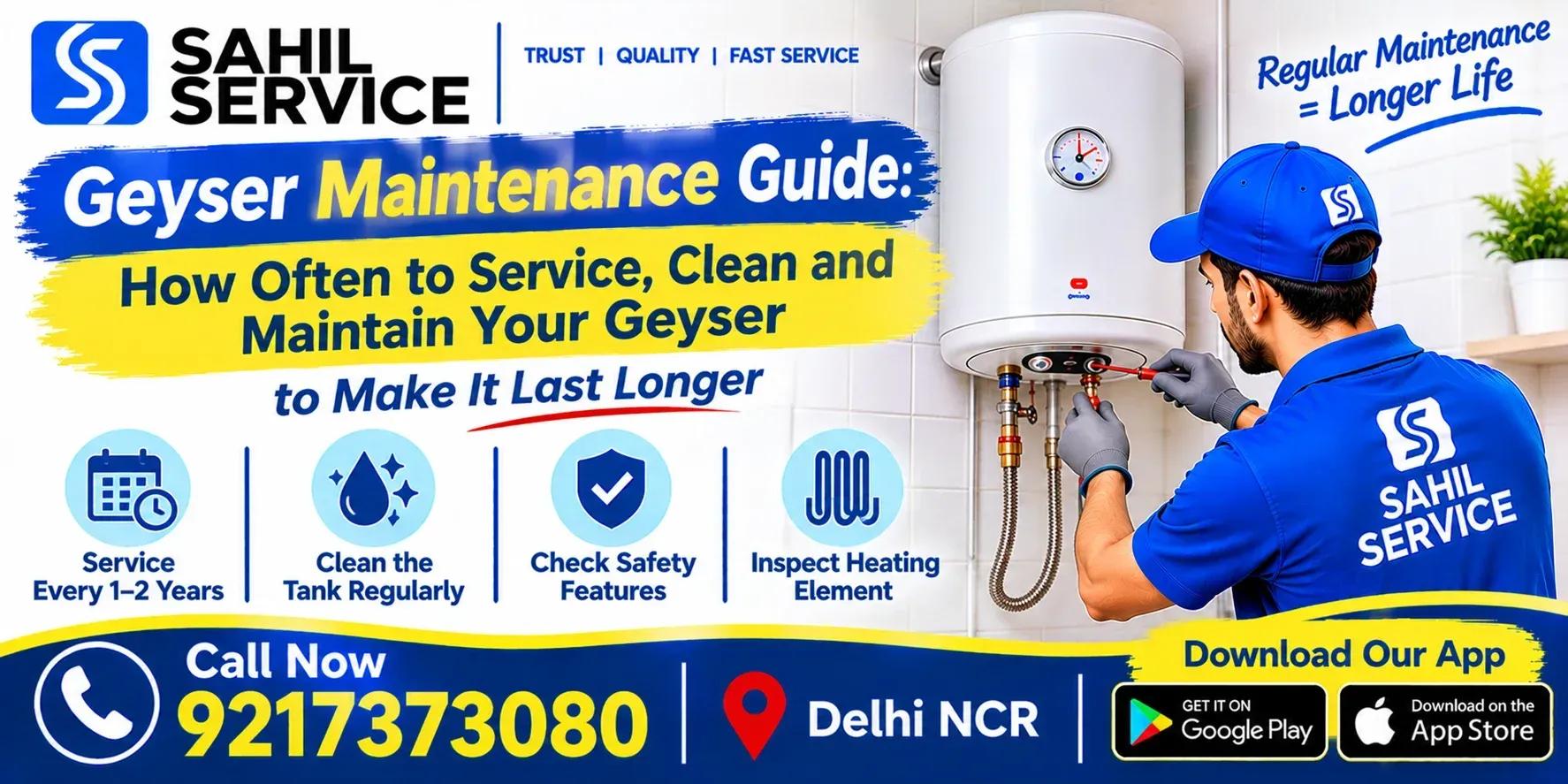
Imagine waking up on a cold winter morning, turning on your geyser, and waiting for hot water. But something feels different. The water takes longer to heat, the geyser makes a strange noise, or your electricity bill suddenly seems higher than usual.
You might think your geyser is getting old or that it needs an expensive repair.
But sometimes, the problem is much simpler.
Like any other household appliance, a geyser needs regular maintenance to keep working properly. Over time, hard water deposits, dust, worn-out components, and everyday usage can affect its performance. If these issues are ignored for too long, they may lead to heating problems, unexpected breakdowns, or unnecessary repair expenses.
The good news is that proper geyser maintenance does not have to be complicated.
A few simple habits, timely servicing, and professional inspection when needed can help your water heater perform more efficiently and last longer.
Whether you have a 10-litre, 15-litre, or 25-litre storage geyser, or an instant water heater, this guide will help you understand how to maintain it properly.
If your geyser is already showing signs of trouble, Sahil Services offers professional geyser repair and servicing solutions to help homeowners get their hot water supply working again.
Let's understand how to take care of your geyser before a small problem becomes a major inconvenience.
How Often Should a Geyser Be Serviced?
For most households, getting a geyser professionally inspected approximately once a year is a sensible starting point.
However, the ideal geyser servicing frequency depends on several factors, including:
- The quality and hardness of your water supply.
- How frequently you use your geyser.
- The age and condition of the appliance.
- The type of geyser you have.
- The maintenance instructions provided by the manufacturer.
If you live in an area with hard water, your geyser may require more frequent inspection because mineral deposits can accumulate inside the tank and around the heating element.
Similarly, a geyser used by a large family every day may need more attention than one used occasionally.
Recommended Geyser Servicing Schedule
|
Situation |
Suggested Maintenance |
|---|---|
|
Normal household usage |
Professional inspection approximately once a year |
|
Hard water supply |
Consider inspection every 6–12 months |
|
Heavy daily usage |
More frequent inspection depending on condition |
|
Before winter |
Check heating performance, electrical safety, and leaks |
|
Unusual noises or slow heating |
Arrange an inspection promptly |
|
Water leakage or electrical faults |
Stop using the geyser and seek professional help |
These are general guidelines, not a fixed schedule for every geyser. Always follow your manufacturer's recommendations.
A useful tip: Do not wait until your geyser completely stops working. Preventive maintenance can help identify developing problems before they interrupt your daily routine.
What Is Included in Geyser Servicing?
Many people assume that geyser servicing simply means cleaning the appliance from the outside.
However, proper geyser maintenance involves checking several components that affect heating performance, water pressure, and safety.
A professional geyser service may include the following checks, depending on the model and its condition.
Heating Element Inspection
The heating element is responsible for heating the water inside your geyser.
Over time, mineral deposits may accumulate around it, especially when the water supply contains high levels of calcium and magnesium.
A technician can inspect the heating element for scale buildup, damage, and signs of reduced performance.
Thermostat Checking
The thermostat regulates the water temperature.
If it is not functioning properly, the geyser may heat water inconsistently, take longer than expected, or stop heating altogether.
Safety Valve Inspection
The pressure-relief valve is an important safety component.
It helps release excessive pressure when necessary. During servicing, a qualified technician can inspect the valve and check whether it is operating according to the manufacturer's instructions.
Electrical Connection Inspection
Loose or damaged electrical connections can affect geyser performance and may create safety risks.
A professional inspection can identify damaged wiring, overheated terminals, or other electrical concerns.
Tank Cleaning and Descaling
If mineral deposits or sediment have accumulated inside the tank, cleaning or descaling may be recommended.
However, not every geyser requires internal cleaning during every service.
Leakage Inspection
A technician may inspect the inlet pipe, outlet pipe, joints, valves, seals, and accessible tank components for signs of leakage.
Regular inspection helps identify problems that might otherwise go unnoticed.
If your geyser is not heating properly, making unusual noises, or leaking water, Sahil Services can help assess the issue and recommend suitable geyser repair or maintenance solutions.
Why Is Geyser Maintenance Important?
A geyser may continue working even when it needs maintenance.
That is why many homeowners ignore early warning signs until the appliance suddenly stops working.
Regular geyser maintenance is important for several reasons.
Better Heating Performance
Mineral deposits can interfere with heat transfer from the heating element to the water.
When scale buildup is responsible for slow heating, appropriate cleaning or descaling may help restore performance.
Helps Prevent Unexpected Breakdowns
A damaged thermostat, worn-out heating element, or loose electrical connection may eventually cause the geyser to stop working.
Routine inspection can help identify these problems early.
Helps Manage Electricity Consumption
When a geyser is operating inefficiently because of scale buildup or a faulty component, it may consume more electricity than expected.
Addressing the underlying issue may help improve efficiency. However, maintenance does not automatically reduce electricity consumption in every situation.
Supports Safer Operation
A geyser combines electricity, water, and pressure.
Proper inspection helps identify potential issues involving electrical connections, temperature control, pressure-relief components, and water leakage.
May Extend the Geyser's Lifespan
Regular maintenance can help reduce avoidable wear and keep the appliance in better operating condition.
However, maintenance cannot prevent every failure. The lifespan of a geyser also depends on its design, water quality, usage, and overall condition.
How to Clean a Geyser Heating Element?
One of the most common geyser maintenance questions is how to clean the heating element.
The heating element is located inside the appliance and may develop a layer of mineral deposits over time.
These deposits can affect heating performance, particularly in areas with hard water.
Signs That Your Geyser Heating Element Needs Attention
Look for these common symptoms:
- Water takes longer to heat than before.
- The geyser makes popping or rumbling sounds.
- Hot water does not last as long as expected.
- The geyser has a history of hard water buildup.
- The appliance requires frequent repairs.
However, these symptoms can also be caused by a faulty thermostat, electrical issue, or other component.
Can You Clean a Geyser Heating Element Yourself?
Internal cleaning is generally best handled by a qualified technician.
The process may involve isolating the electrical supply, draining the tank safely, opening the appropriate access panel, inspecting the heating element, and removing deposits using a method suitable for the appliance.
Using sharp tools, unsuitable chemicals, or excessive force can damage the heating element or protective components.
If your geyser is heating slowly or making unusual noises, professional inspection can help determine whether cleaning, descaling, or component replacement is required.
How to Remove Hard Water Deposits From a Geyser?
Hard water is one of the common reasons why geysers may require additional maintenance.
Hard water contains dissolved minerals, particularly calcium and magnesium.
When water is heated, some of these minerals can form deposits inside the tank and around the heating element.
Over time, this buildup may affect heating efficiency and contribute to unusual operating noises.
What Are the Signs of Hard Water Deposits?
You may notice:
- White or chalky deposits around water connections.
- Slow heating.
- Popping or rumbling sounds.
- Reduced heating performance.
- Mineral flakes in the hot water.
- Frequent heating element problems.
Not every symptom confirms hard water buildup, but these signs may indicate that the geyser needs inspection.
How Is Geyser Descaling Performed?
Professional geyser descaling may involve:
- Disconnecting the electrical supply and isolating the water supply.
- Allowing the water to cool and releasing pressure safely.
- Draining the tank using the correct procedure.
- Inspecting the heating element and accessible internal components.
- Removing mineral deposits using an appropriate cleaning method.
- Checking seals, connections, and other components.
- Reassembling the appliance and verifying safe operation.
The exact procedure varies by geyser model.
Some appliances may require a different maintenance approach, and aggressive cleaning can damage internal components.
If your geyser has significant scale buildup, Sahil Services can help assess whether professional geyser cleaning or descaling is appropriate.
What Happens If a Geyser Is Not Serviced Regularly?
Skipping geyser maintenance does not mean the appliance will immediately stop working.
However, neglecting necessary servicing can increase the likelihood of certain problems.
Reduced Heating Efficiency
Mineral deposits may interfere with heat transfer, making heating less effective.
Higher Electricity Consumption
If the geyser is working inefficiently because of scale buildup or a faulty component, it may consume more electricity than expected.
Unexpected Breakdowns
A damaged heating element, thermostat, or electrical connection may eventually cause the appliance to stop working.
Water Leakage
Worn seals, damaged fittings, faulty valves, or corrosion may cause leakage.
Unusual Noises
Sediment and mineral deposits may contribute to popping or rumbling sounds during heating.
Expensive Repairs
A minor issue that is ignored may become more complicated if it affects other components.
Regular servicing cannot guarantee that your geyser will never break down, but it can help identify problems early and reduce avoidable maintenance issues.
How to Increase the Lifespan of a Geyser?
Want your geyser to last longer without frequent repairs?
A few practical habits can help.
Follow the Manufacturer's Maintenance Schedule
Different geyser models have different maintenance requirements.
Check the user manual and follow the recommended servicing intervals.
Avoid Ignoring Unusual Noises
Popping, rumbling, or other unexpected sounds may indicate mineral deposits or another internal issue.
If the noise persists, arrange an inspection.
Check for Visible Leakage
Occasionally inspect the area around your geyser and its accessible pipe connections.
If you notice leakage, do not ignore it.
Use the Correct Temperature Setting
Avoid unnecessarily high temperature settings.
Follow the manufacturer's recommendations for safe temperature control.
Arrange Professional Servicing
Periodic inspection can help identify worn components, mineral deposits, and other developing issues.
Do Not Attempt Electrical Repairs Yourself
Geysers operate with electricity and water.
Internal electrical repairs should be handled by a qualified technician.
Address Hard Water Problems
If your water supply is particularly hard, ask a technician whether additional maintenance or suitable water-treatment measures are appropriate for your geyser.
These simple habits can help keep your appliance in better condition and may reduce avoidable repair expenses.
How to Maintain a Geyser in Winter?
Winter is when most households depend heavily on their geysers.
The appliance may be used several times a day, especially in homes with multiple family members.
This increased demand makes pre-winter maintenance particularly useful.
Follow These Geyser Maintenance Tips Before Winter
Check Heating Performance
Turn on the geyser as instructed by the manufacturer and observe whether it heats water normally.
If heating takes significantly longer than usual, arrange an inspection.
Inspect Visible Pipes and Connections
Look for signs of leakage, corrosion, or damage around accessible connections.
Check the Thermostat
If water temperature fluctuates or becomes unusually hot, the thermostat may need inspection.
Listen for Unusual Noises
Persistent popping or rumbling sounds may indicate mineral buildup or another problem.
Arrange Pre-Winter Servicing
A professional inspection before heavy winter usage can help identify developing issues.
Avoid Unnecessary Temperature Increases
Increasing the thermostat setting is not always the right solution for slow heating. The cause may be a faulty component or mineral deposits.
For homeowners in Delhi NCR and Faridabad, timely geyser servicing can be especially useful before winter demand increases.
If your geyser needs professional inspection, Sahil Services offers geyser repair and servicing support to help you prepare for the colder months.
Does Geyser Servicing Reduce Electricity Consumption?
This is one of the most important questions for homeowners.
The answer is: It can, but it depends on the condition of your geyser.
A properly functioning geyser heats water according to its design and thermostat settings.
However, if mineral deposits accumulate around the heating element, heat transfer may become less efficient.
Similarly, a faulty thermostat or another damaged component may affect how the appliance operates.
In these situations, appropriate maintenance or repair may help improve efficiency.
How to Reduce Geyser Electricity Consumption
Here are some practical tips:
- Use a temperature setting recommended by the manufacturer.
- Avoid heating more water than your household needs.
- Switch off the geyser when it is not required, following the manufacturer's usage guidance.
- Arrange servicing if heating performance changes.
- Check for unnecessary hot-water leakage.
- Choose an appropriately sized geyser for your household.
- Consider the appliance's energy-efficiency rating when purchasing a new geyser.
Does Leaving a Geyser Switched On Increase Electricity Bills?
A storage geyser uses electricity to heat water and may use additional electricity to maintain its temperature as heat escapes from the tank.
The actual consumption depends on the appliance's insulation, thermostat settings, usage, and surrounding conditions.
Therefore, switching it off when hot water is not needed may help reduce unnecessary energy use in some households.
However, the best approach depends on your usage pattern and the manufacturer's instructions.
Regular maintenance can help keep the appliance operating as intended, but it cannot guarantee a specific reduction in electricity bills.
What Are the Signs That a Geyser Needs Servicing?
Your geyser may give you several warning signs before it completely stops working.
Recognising these signs can help you arrange maintenance at the right time.
| Warning Sign | Possible Reason |
|---|---|
| Geyser takes longer to heat water | Scale buildup, thermostat issue, or heating element problem |
| Water is not getting hot enough | Faulty thermostat, heating element, or electrical issue |
| Popping or rumbling sounds | Mineral deposits or sediment buildup |
| Water leakage | Damaged pipe, seal, valve, or tank |
| Rusty or discoloured hot water | Corrosion, sediment, or a water supply issue |
| Geyser repeatedly switches off | Electrical fault, thermostat issue, or safety cut-off |
| Circuit breaker keeps tripping | Possible electrical fault or damaged component |
| Burning smell | Potential electrical overheating |
Not every warning sign means that your geyser needs a complete replacement.
For example, slow heating may be caused by mineral deposits or a faulty heating element. Similarly, leakage may originate from a pipe connection rather than the tank itself.
A professional inspection can help identify the actual cause.
Geyser Servicing in Delhi NCR: When Should You Call Sahil Services?
A geyser is an essential appliance in many Indian households, especially during winter.
But when it starts leaking, heating slowly, or making unusual noises, it can quickly become a frustrating problem.
The good news is that many geyser problems can be identified through proper inspection and timely maintenance.
Whether your appliance needs routine servicing, heating element inspection, cleaning, or troubleshooting, choosing the right technician can make a difference.
Sahil Services offers geyser repair and servicing solutions for homeowners who need professional assistance with common water heater problems.
Our geyser service support may include:
- Geyser inspection and troubleshooting.
- Geyser repair and maintenance.
- Heating element inspection and replacement.
- Thermostat-related repair.
- Water leakage inspection.
- Geyser installation support.
- Geyser cleaning and descaling, where appropriate.
The exact service required depends on the geyser's model, condition, and the nature of the problem.
If your geyser is not heating properly or has not been serviced for a long time, consider arranging a professional inspection.
Visit the Sahil Services geyser service page to explore available services.
Frequently Asked Questions About Geyser Maintenance
These FAQs address common questions homeowners ask about geyser servicing, cleaning, and maintenance.
1. How often should a geyser be serviced?
For many household geysers, an annual professional inspection is a reasonable starting point. Homes with hard water or heavy usage may require more frequent maintenance. Always follow the manufacturer's instructions.
2. What is included in geyser servicing?
Geyser servicing may include inspection of the heating element, thermostat, electrical connections, safety valve, water connections, and heating performance. Cleaning or descaling may be recommended when necessary.
3. How do I know if my geyser needs cleaning?
Slow heating, persistent popping sounds, and visible mineral deposits may indicate that cleaning or descaling is required. A technician can inspect the appliance and determine the appropriate maintenance.
4. Can hard water damage a geyser?
Hard water can contribute to mineral scale buildup inside the geyser. Over time, this may affect heating efficiency and increase maintenance requirements.
5. Does geyser servicing reduce electricity bills?
Servicing may help improve efficiency if mineral buildup or a faulty component is affecting performance. However, electricity savings depend on the condition of the geyser and how it is used.
6. Can I clean a geyser heating element at home?
Internal cleaning is generally best handled by a qualified technician because the process involves electrical components, hot water, and potentially pressurised equipment.
7. How can I increase the lifespan of my geyser?
Follow the manufacturer's maintenance schedule, avoid ignoring unusual noises or leakage, use appropriate temperature settings, and arrange professional inspection when necessary.
8. Is geyser servicing necessary before winter?
Pre-winter servicing is useful because geysers are often used more frequently during colder months. An inspection can help identify heating issues, leakage, or other problems before demand increases.
9. What happens if I never service my geyser?
Neglecting necessary maintenance may lead to mineral buildup, reduced heating efficiency, component problems, leakage, or unexpected breakdowns. However, the actual impact depends on the appliance and water quality.
10. When should I replace my geyser instead of repairing it?
Replacement may be appropriate when the tank is severely corroded, repairs are uneconomical, or the appliance repeatedly develops major problems. A qualified technician can help assess whether repair or replacement is more practical.
Conclusion
A geyser is one of those appliances that often goes unnoticed until something stops working.
But regular maintenance can make a real difference.
From checking the heating element and monitoring water leakage to managing hard water deposits and preparing for winter, simple maintenance habits can help keep your geyser working properly.
The most important thing is not to wait until your appliance completely breaks down.
If you notice slow heating, unusual noises, inconsistent water temperature, or leakage, arrange an inspection before the problem becomes more serious.
And if your geyser needs professional assistance, Sahil Services offers geyser repair and servicing solutions to help homeowners maintain their hot water supply.
Take care of your geyser today, and you may avoid an unexpected cold shower tomorrow.